Skip to content
Visit Yverdon

Six thousand years by the lake

History of Yverdon-les-Bains, from menhirs to a spa town

One of the oldest towns in Switzerland, built where the Thièle flows into Lake Neuchâtel. Standing stones, a Roman fort, a Savoyard castle, and a thermal spring that still gives the town its name.

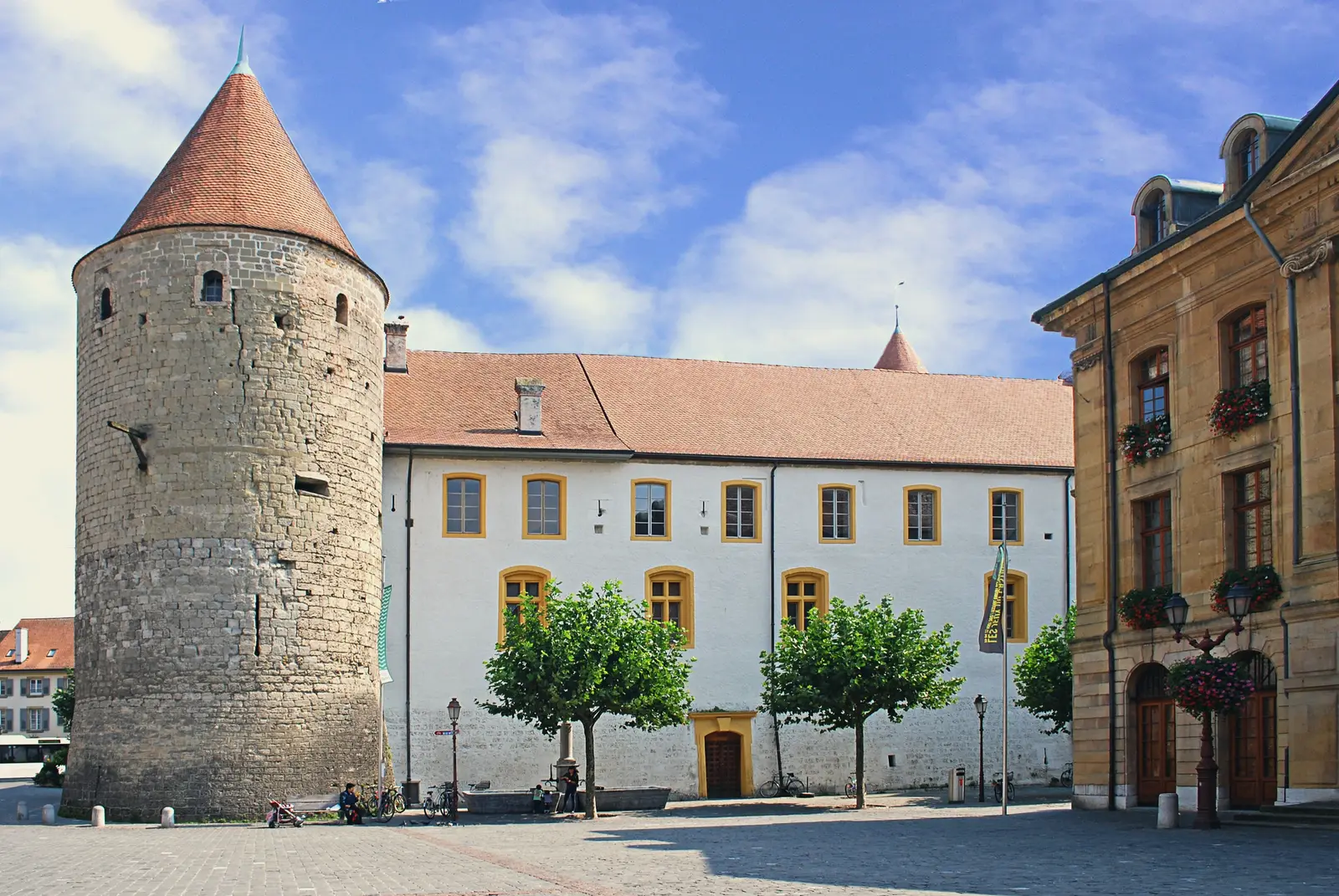
Place Pestalozzi and the castle, in the heart of Yverdon
Settled
6,000+ years
Roman name
Eburodunum
Castle begun
1259, House of Savoy
Renamed
Yverdon-les-Bains, 1981

One of the oldest towns in Switzerland sits where the river Thièle flows into Lake Neuchâtel. People have lived on this strip of land for more than 6,000 years. Two things kept them here: a sheltered crossing where the river meets the lake, and a thermal spring rising warm out of the ground.

The spring is also the reason for the name. It has drawn visitors since Roman times, and in 1981 the town added “les-Bains” to mark it. What follows is the short version, from standing stones to a spa town, in the order it happened.

  1. c. 4000 BC

    Neolithic communities raise the standing stones at Clendy, on the lakeshore.

  2. c. 325 AD

    Rome fortifies Eburodunum with a walled castrum: two gates, fifteen towers, baths.

  3. 1259

    Pierre II of Savoy begins the castle and lays out a new town beside it.

  4. 1536

    Bern conquers the town and brings the Reformation.

  5. 1728

    The town builds a new bath house, the start of the Grand Hôtel des Bains.

  6. 1805

    Johann Heinrich Pestalozzi opens his famous school in the castle.

  7. 1855

    The first railway in French-speaking Switzerland reaches the town.

  8. 1981

    After the baths reopen, the town is officially renamed Yverdon-les-Bains.
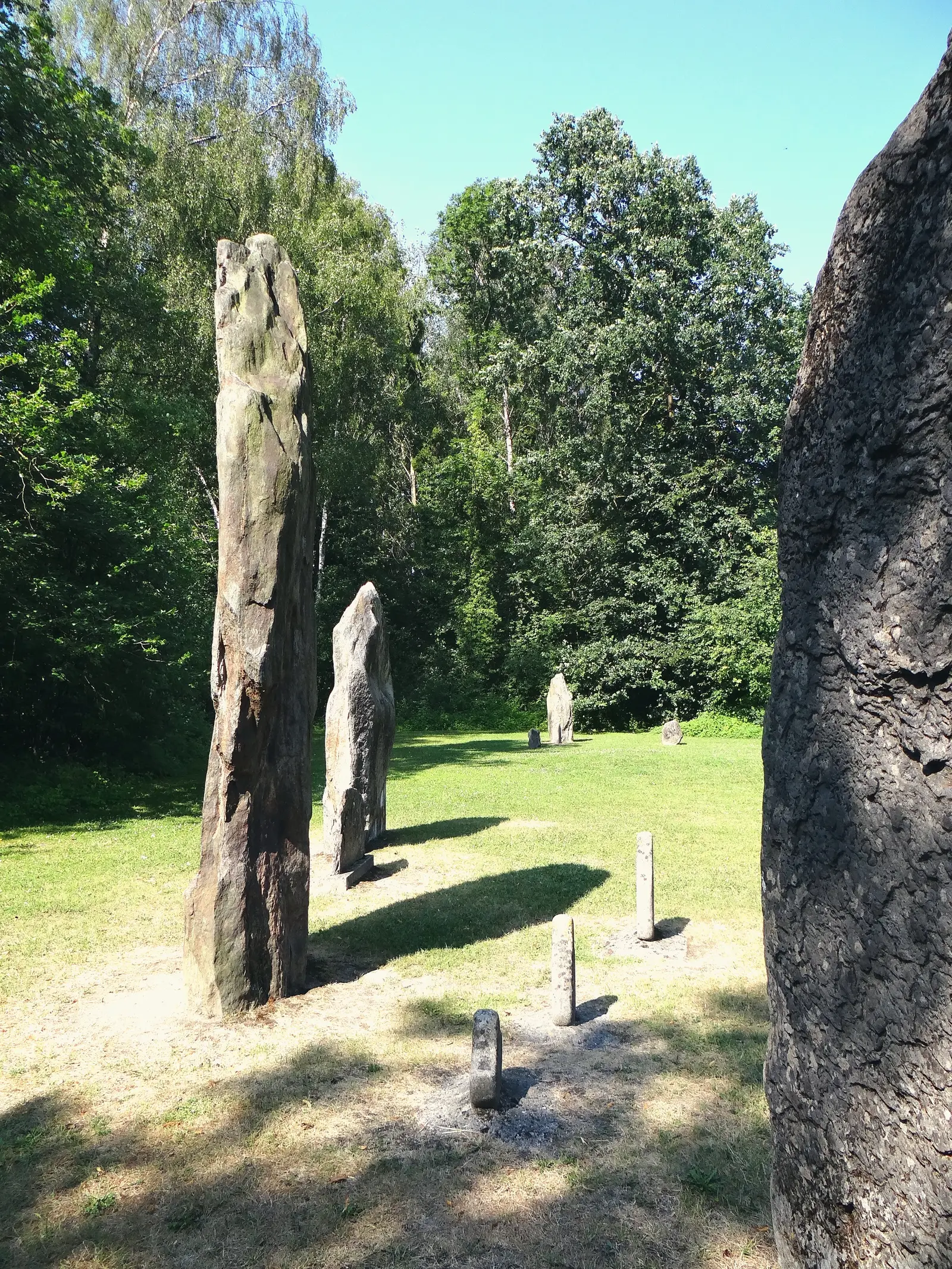
The Clendy menhirs, a Neolithic standing-stone alignment by the lake

Chapter 1

The standing stones of Clendy

Yverdon's oldest monument is also its strangest. On the lakeshore at Clendy stand 45 menhirs, raised between 4500 and 4000 BC. The tallest is 4.5 metres and weighs over five tonnes, and a few are carved into rough human figures.

Then they vanished. The stones surfaced in 1878 when the lake was lowered, but were only recognised as menhirs in 1975 and re-erected in 1986. They are protected today, part of the prehistoric lake sites listed by UNESCO.

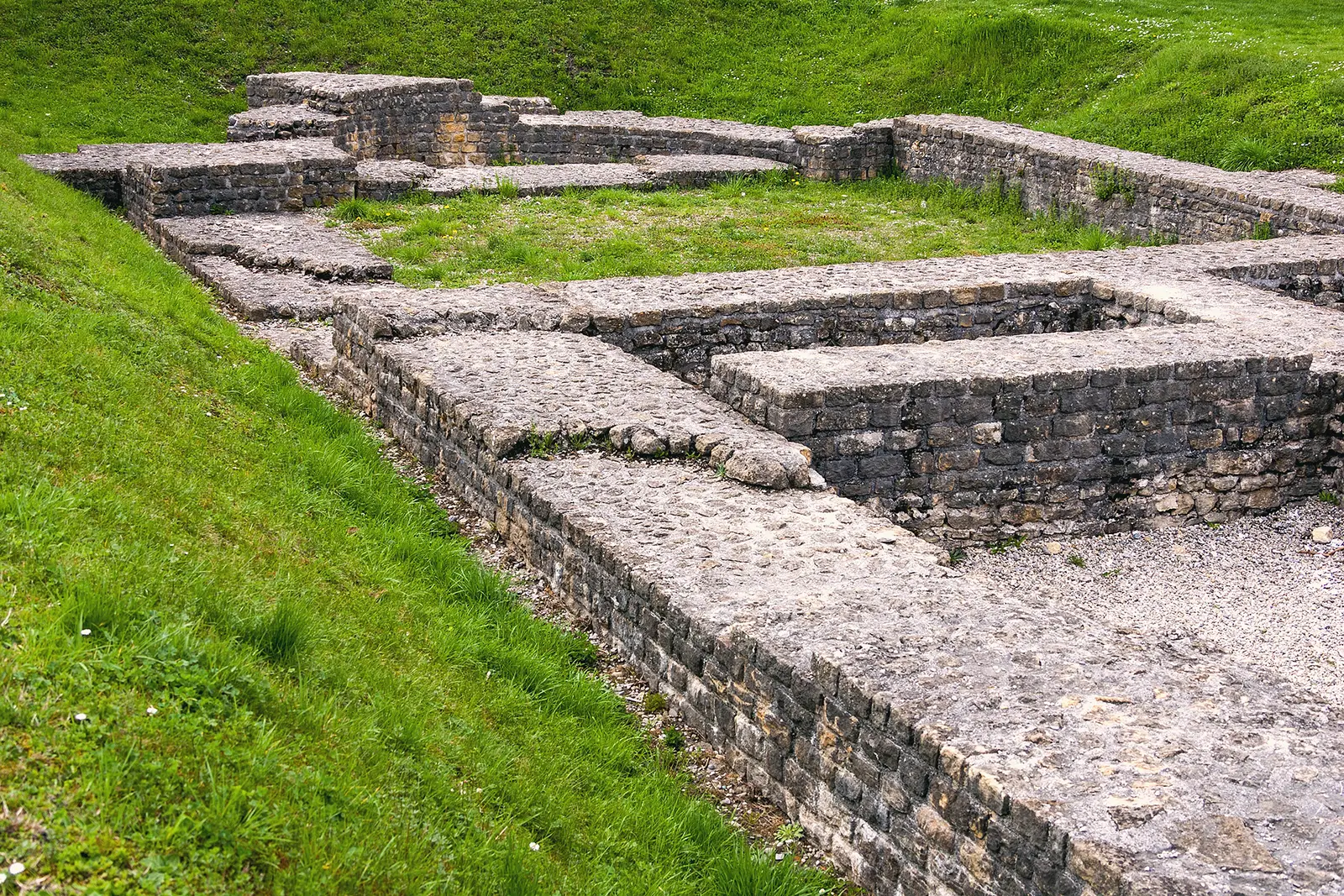
The Roman castrum of Eburodunum, Yverdon's late-Roman fort

Chapter 2

Eburodunum, the Roman river-fort

Long before the castle, the Romans knew this place as Eburodunum. It sat on a sandbar between the lake and the marshes of the Orbe, at a crossing of roads and waterways. It was walled by 80 BC and grew on trade.

Boats mattered here: two Roman vessels were dug up nearby and now sit in the regional museum. Around 325 AD, under Constantine, Rome enclosed the town in a castrum of two hectares, with fifteen towers and its own baths. The east gate still stands, a few hundred metres south of the castle.

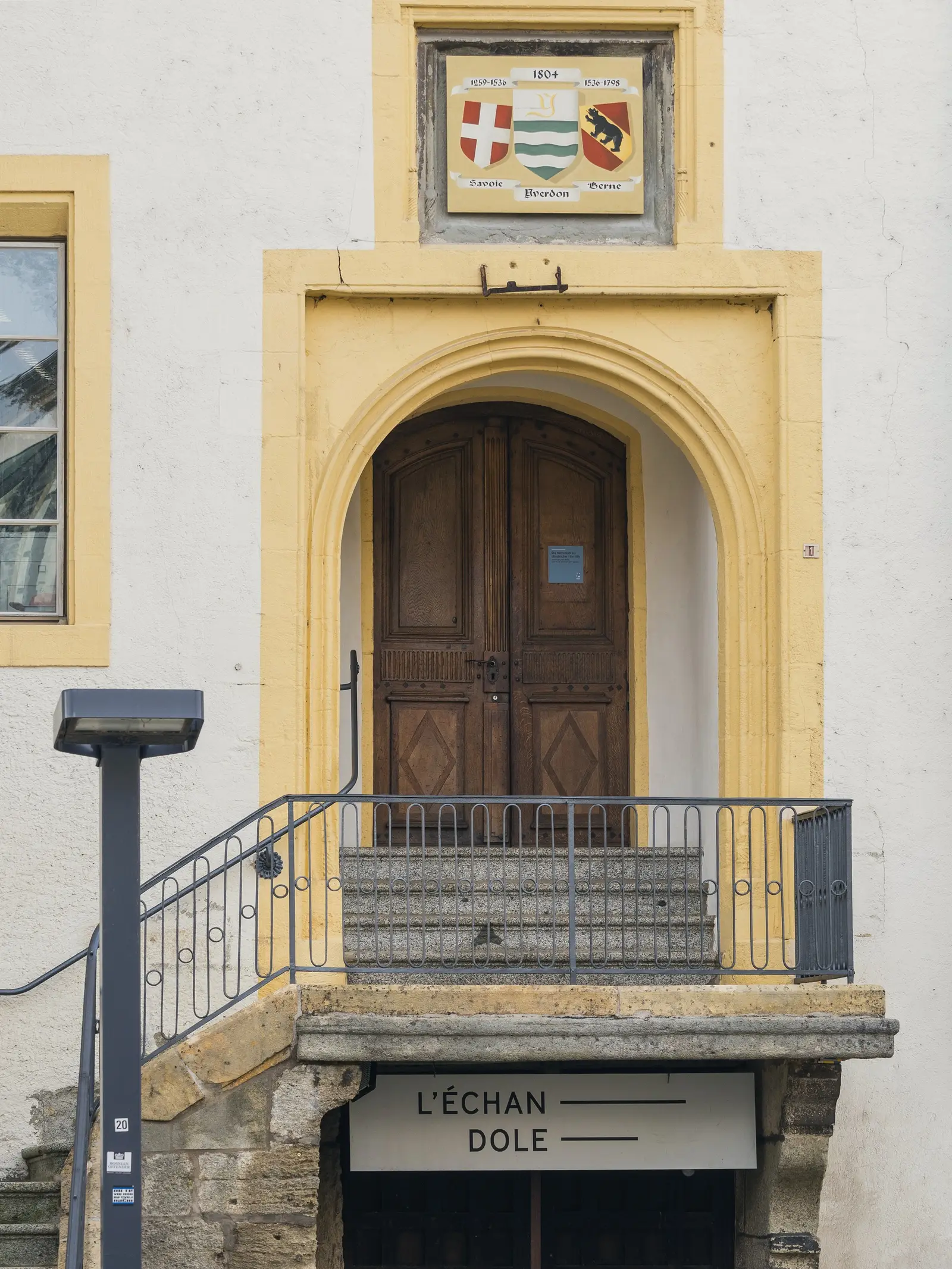
The arched doorway of the Château d'Yverdon, the town's Savoyard castle and museum

Chapter 3

A castle, and the town it made

The town you walk today was laid out by the House of Savoy. In 1259, the future Count Pierre II began a castle north of the old Roman fort: a near-square with a round great tower and three at the corners, the type known as a carré savoyard. Around it he set three straight streets, the rue du Lac, the rue du Milieu and the rue du Four, which still shape the old centre.

The castle was burned in 1476 during the Burgundian Wars, then rebuilt after Bern took the town in 1536. Its most famous resident came later: the educator Johann Heinrich Pestalozzi ran his school here from 1805 to 1825. Today it holds the Musée d'Yverdon et région.

Today

The story is still standing

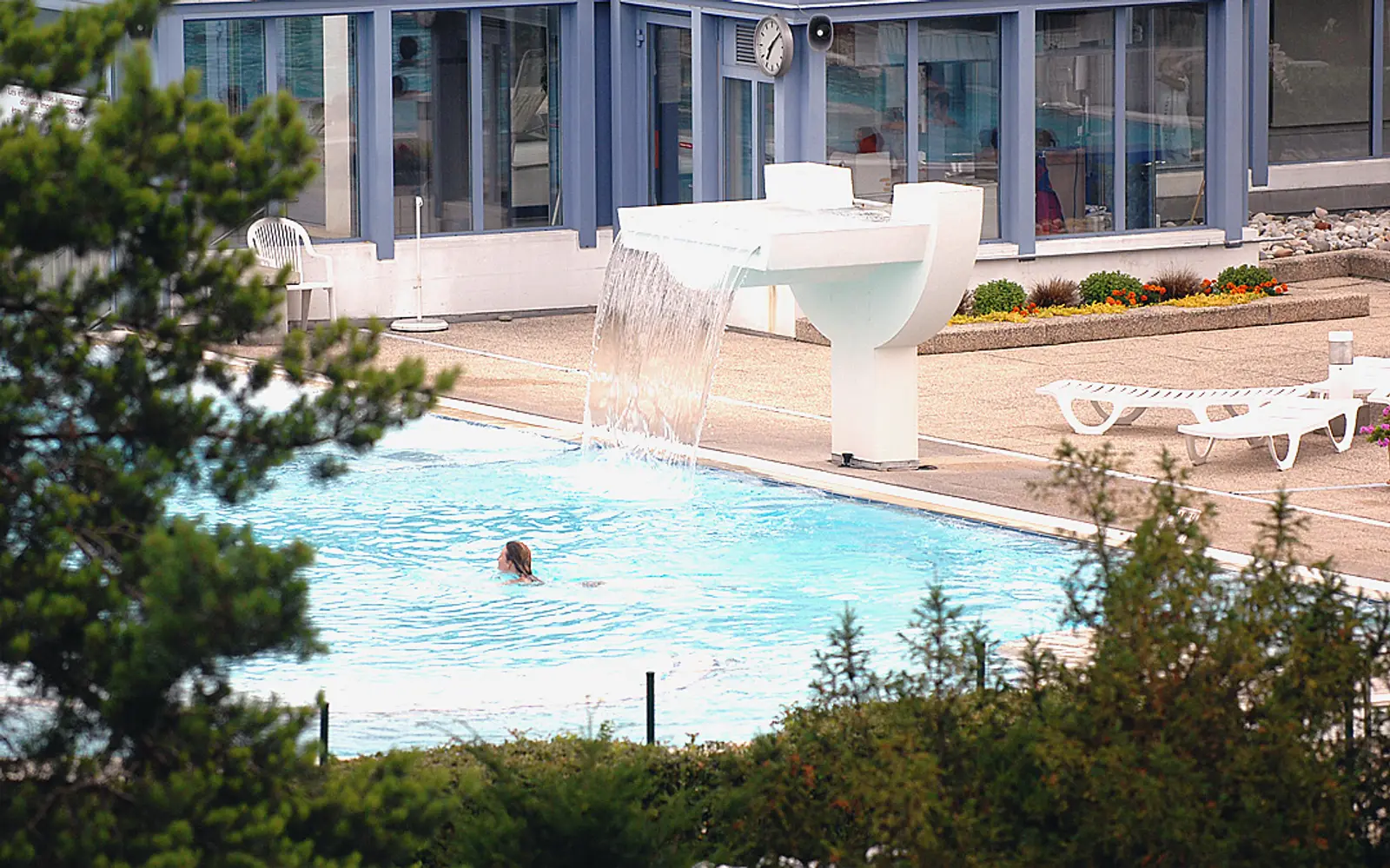
Water runs through the whole story. The spring that drew the Romans fed bath houses for centuries, fell quiet in 1959, then returned when the modern Centre Thermal opened in 1977. In 1981 the town added "les-Bains" to its name.

Most of the rest is still here, a short walk apart. The castle holds the regional museum, the two Roman boats and a centre devoted to Pestalozzi, and the spring still runs at the baths below the old town.

Sources

Facts checked against, and this page written from: Wikipedia (fr): Yverdon-les-Bains · Yverdon-les-Bains Region .