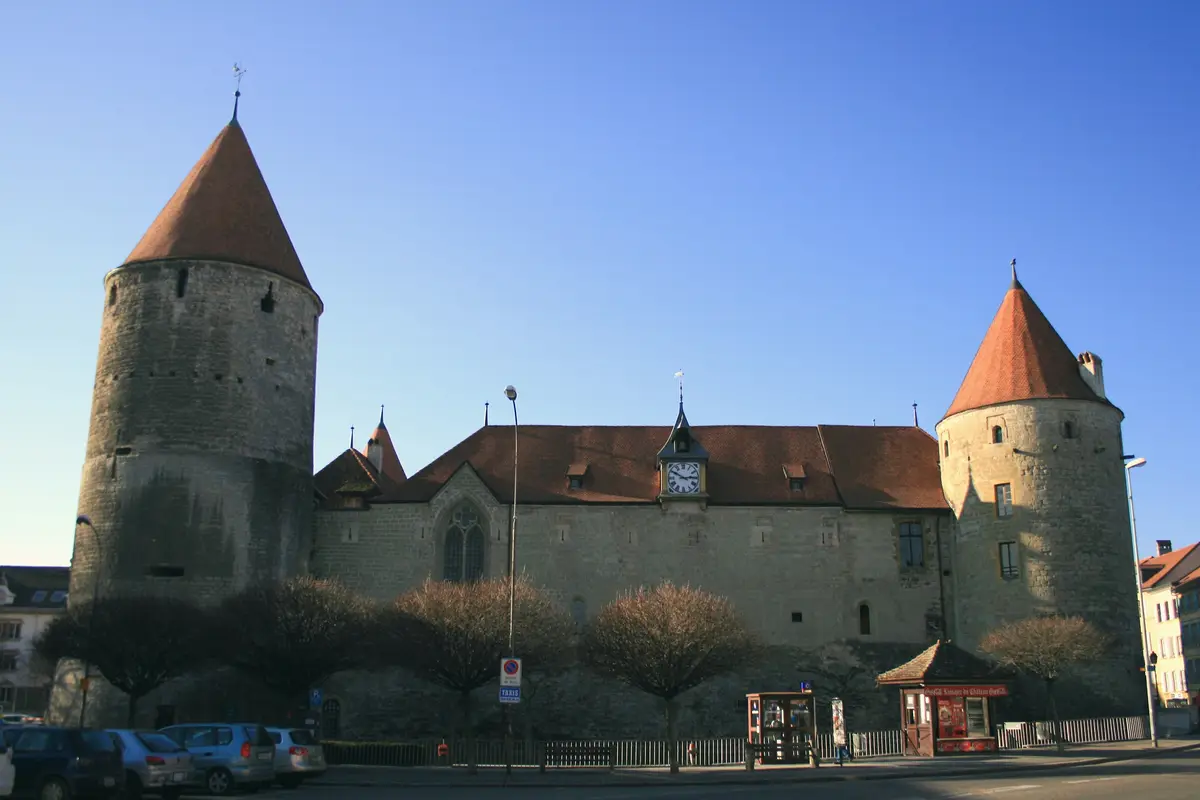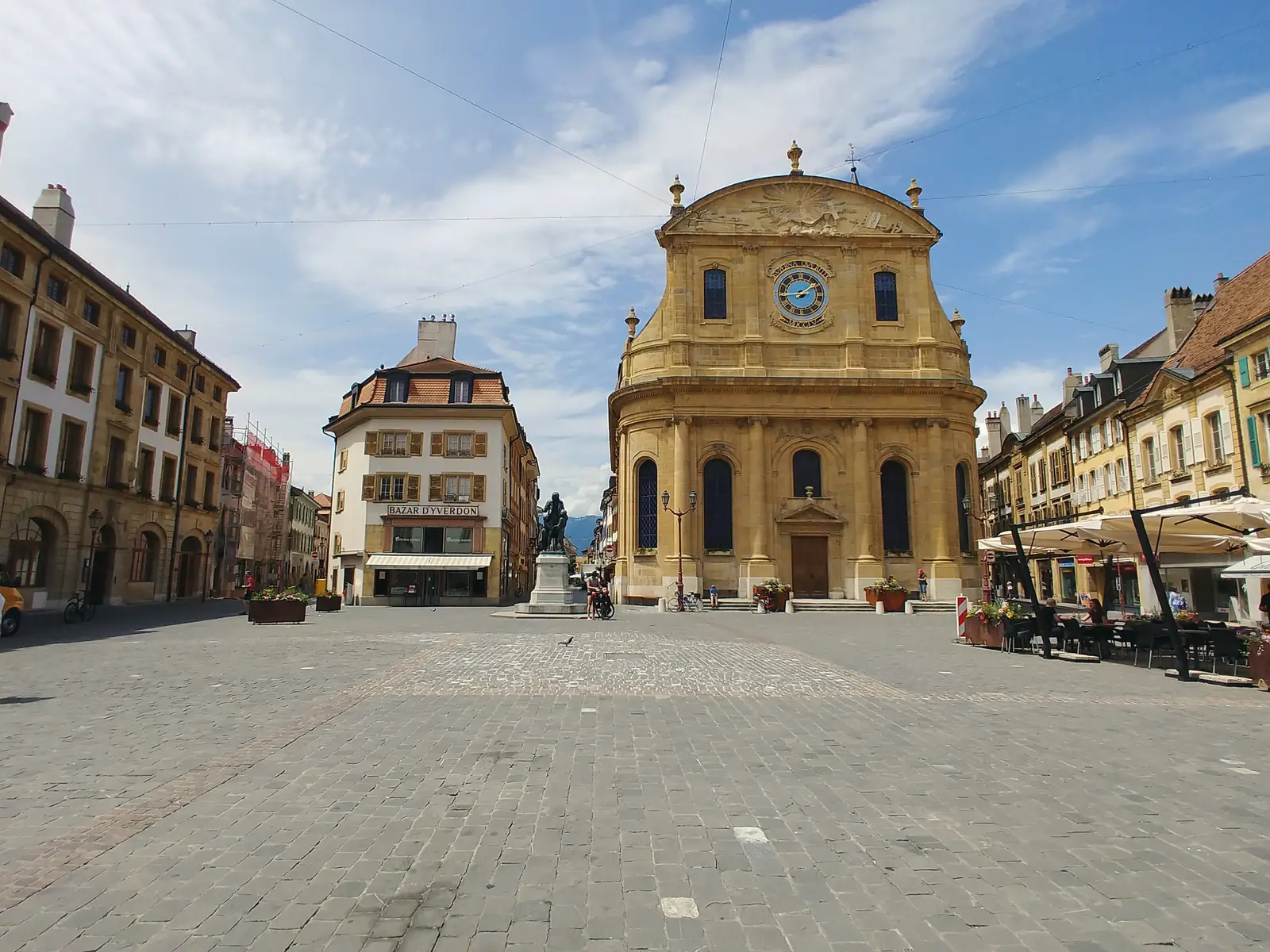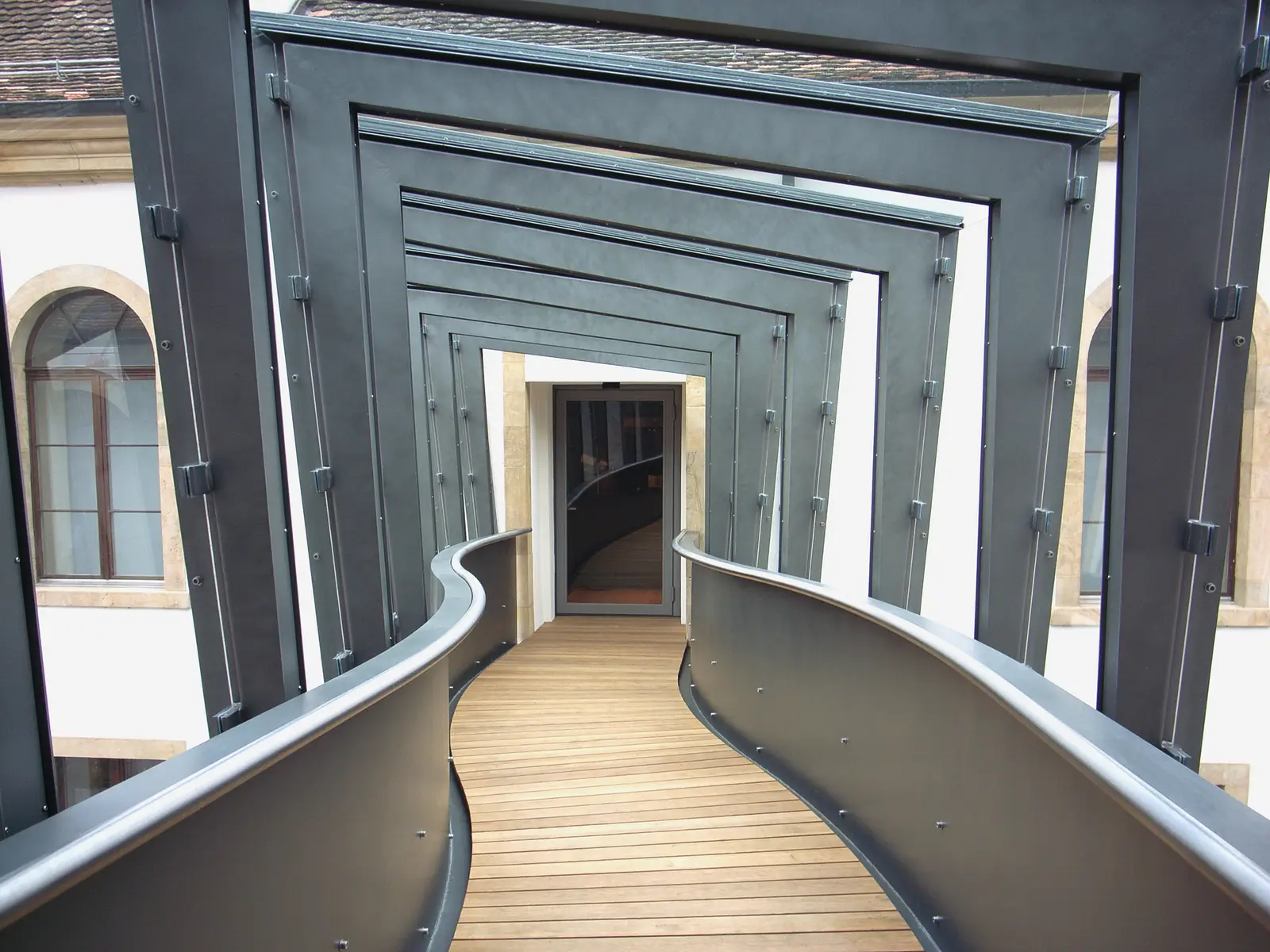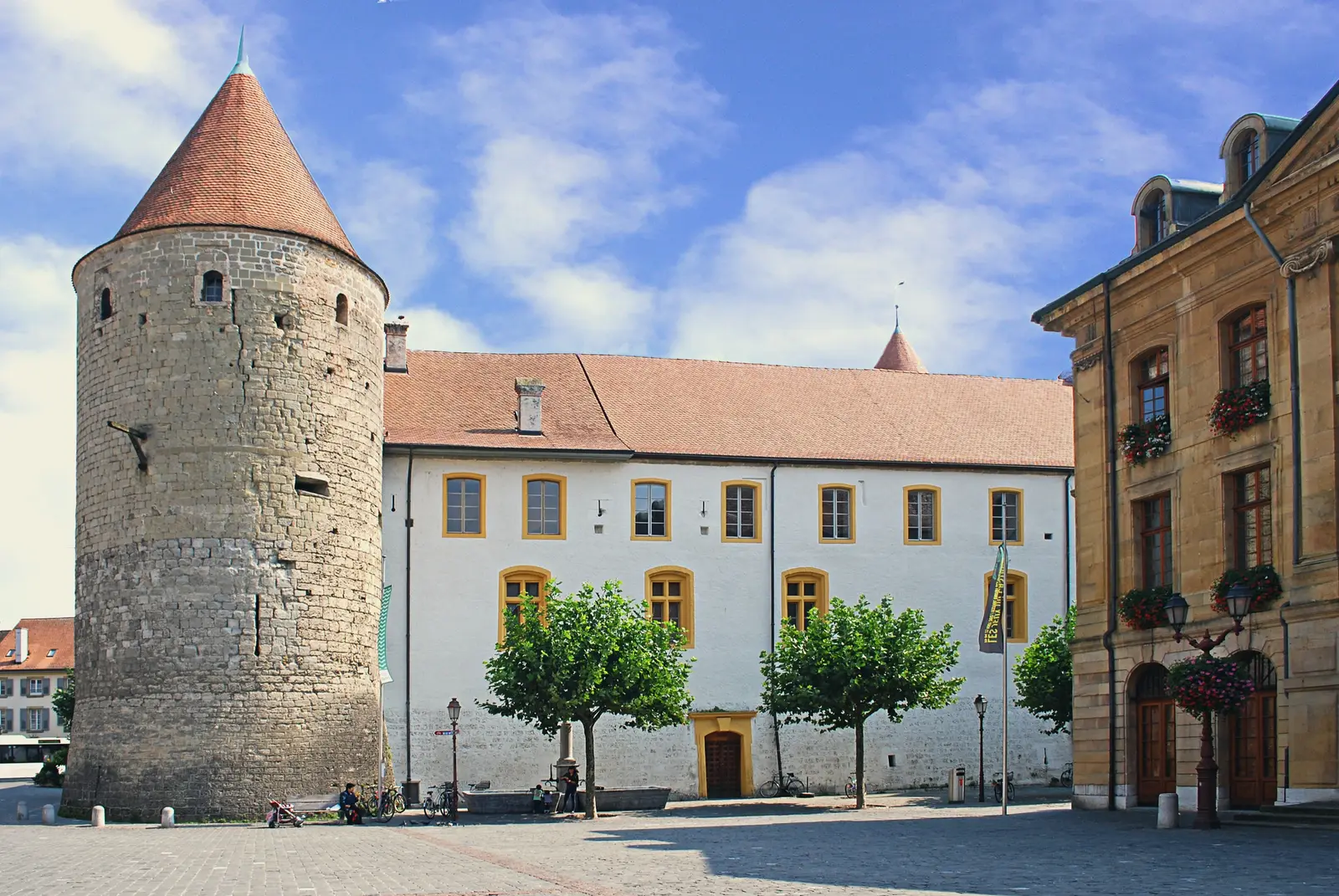
Stand on Place Pestalozzi and the Château d’Yverdon does what it was built to do: dominate the square. Four squat round towers and a curtain of pale stone, a Savoyard castle laid out by Pierre de Savoie in the 1260s, and the oldest thing in town you can walk into. It has belonged to the city since 1804, and today it holds four cultural institutions under one roof.
The regional museum
The heart of it is the Musée d’Yverdon et région, spread across four floors of the castle, from the great tower to the old Bernese rooms. Its permanent collection runs the whole local story, from the Neolithic lake-dwellers around 4500 BC to the industrial age, by way of the Bronze Age, the Celts, the Romans, the Burgundians and the medieval town. The museum is also one of the keepers of the region’s UNESCO-listed prehistoric pile-dwelling sites.
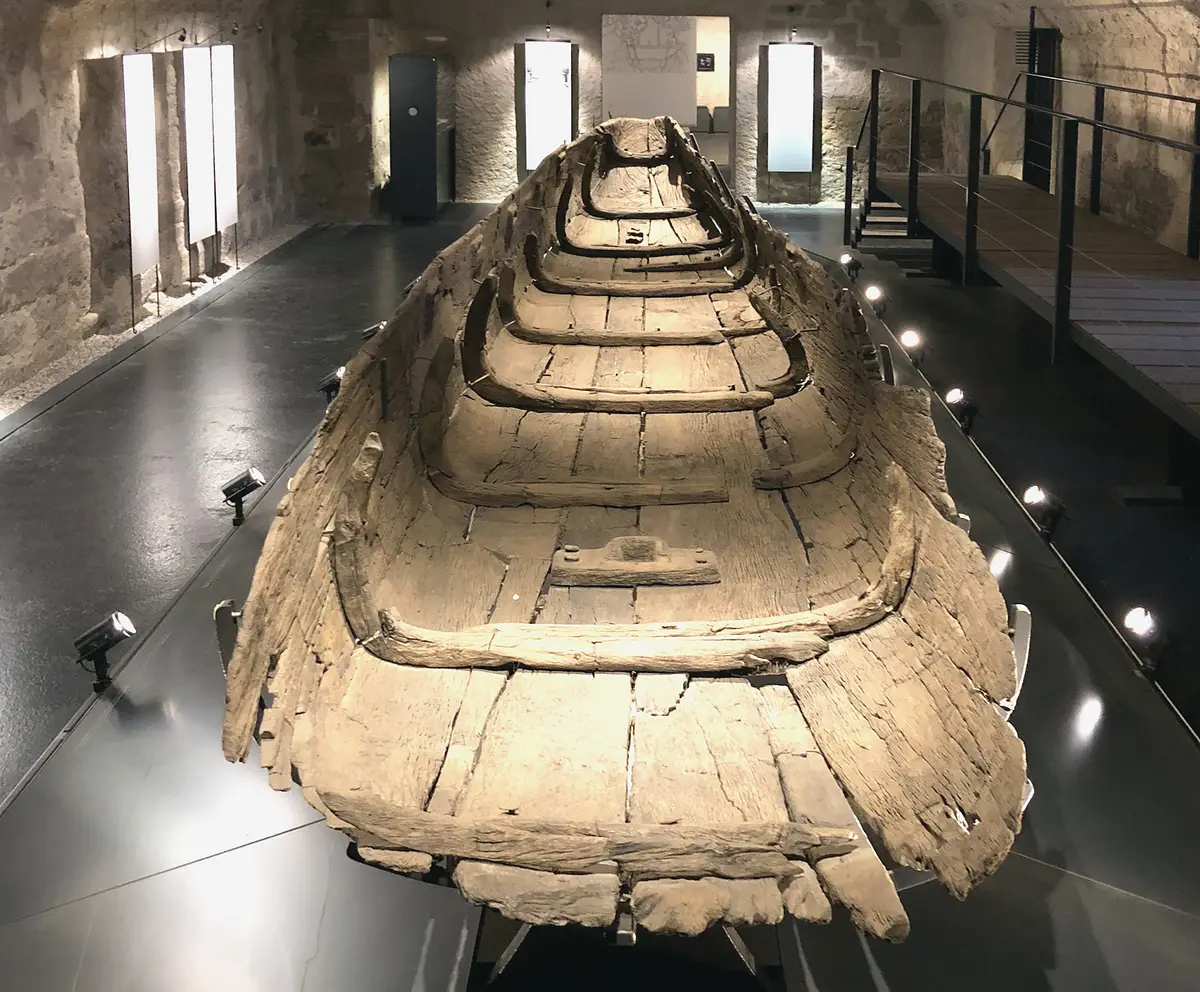
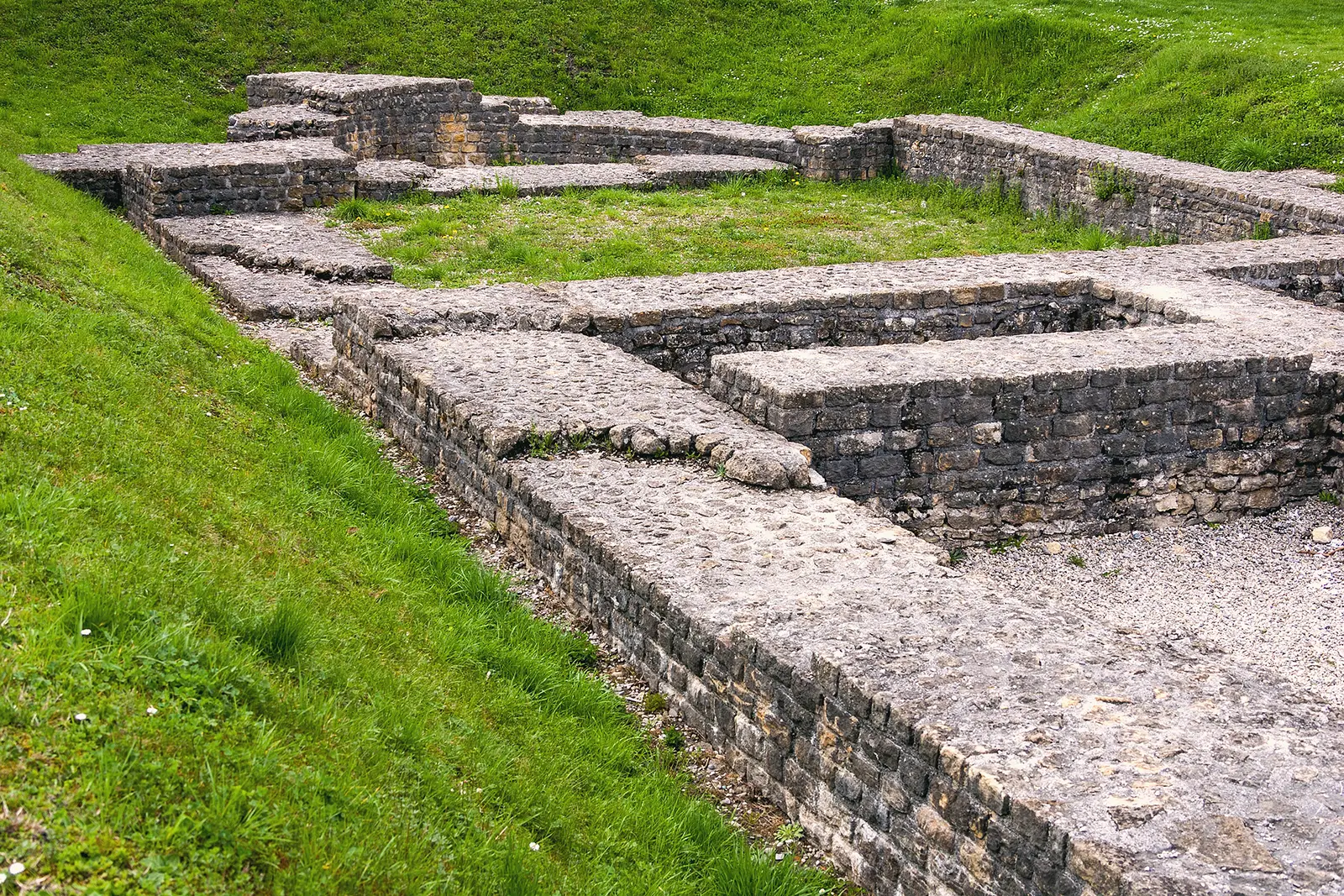
The treasure is down in the vaulted cellars: two Gallo-Roman boats, dug from the ground at Yverdon and remarkably preserved, at the centre of a room on ancient navigation. The Yverdon vessel is the only known Roman example of its “bivalve” build. (Its world above ground is the Roman ruins of Eburodunum nearby.) Among the other highlights are 17th- and 18th-century Bernese paintings and an 18th-century celestial globe.
MuMode, and a couturier’s secret
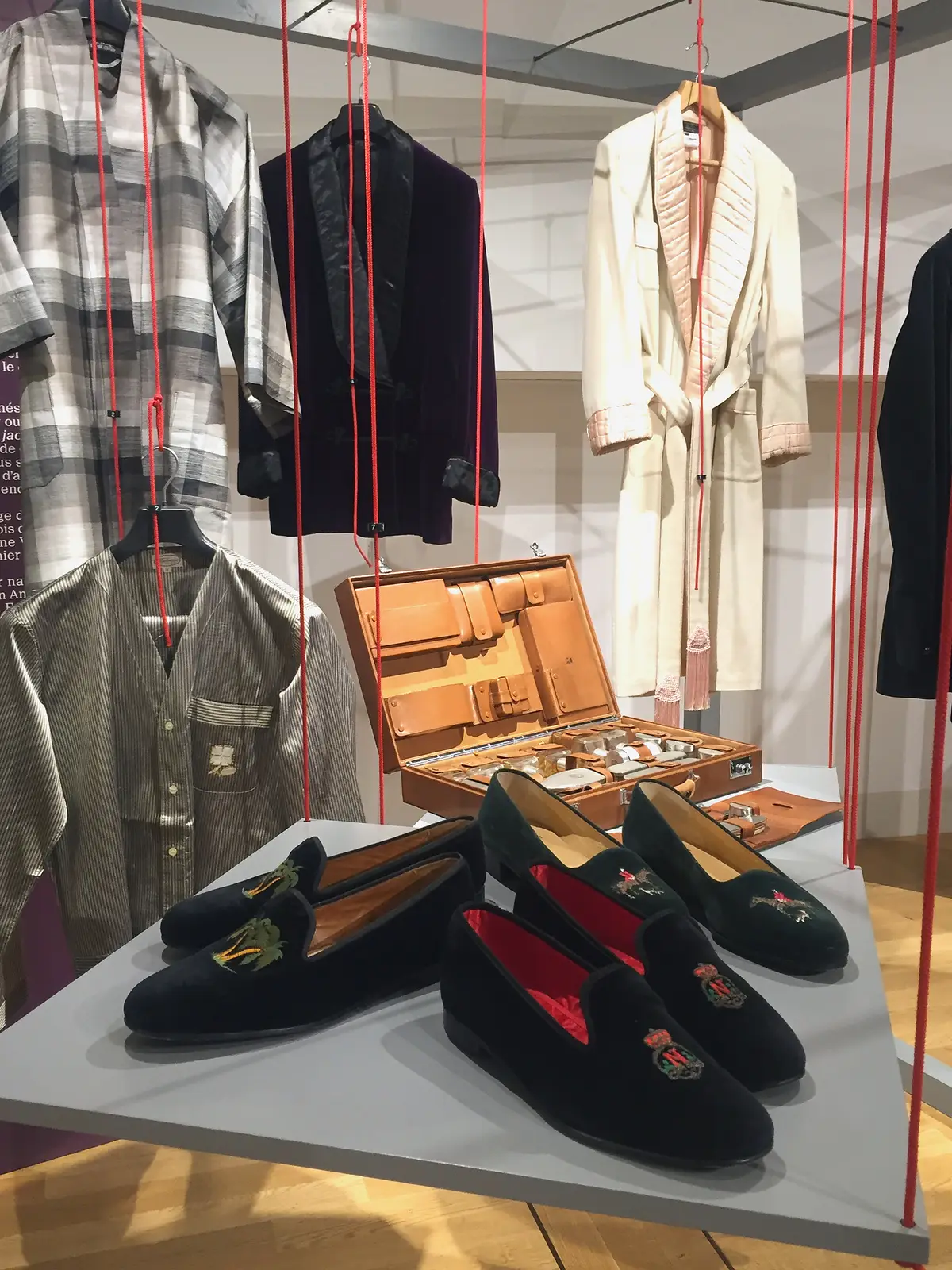
The surprise of the castle is MuMode, the Espace Robert Piguet, a fashion space for the Yverdon-born couturier Robert Piguet (1898–1953), who ran a Paris haute-couture house from 1933. The names who trained under him are the reason to look twice: Christian Dior, Hubert de Givenchy and Marc Bohan all passed through his atelier. Alongside the evening gowns and photographs you will find their early sketches, recordings of Piguet himself, and a film with Givenchy.
Pestalozzi, and the cellar theatre
Two more institutions share the walls. The Centre Pestalozzi keeps the memory of the educational reformer Johann Heinrich Pestalozzi (1746–1827), who ran his famous institute in the castle from 1805 to 1825; a room in the museum reconstructs his study. And in the cellars, L’Echandole has been a small theatre since 1979, with a year-round programme of plays, concerts, improv and shows for children.
Practical notes
- Open Wednesday to Sunday, 11:00–18:00.
- Entry: permanent exhibition CHF 10 / 8 / 6 (adult / reduced / child); temporary exhibition CHF 3; a combined Château Pass is CHF 12 / 10 / 8. Free audioguides in French, German and English.
- Access: the west entrance is wheelchair-accessible; the Centre Pestalozzi itself is by appointment.
- Time needed: an hour for the highlights, two if the regional history or the boats pull you in. See chateau.yverdon.ch for current exhibitions and tickets.
Combine it
The castle, Maison d’Ailleurs and the old town cafés are within a minute of one another on Place Pestalozzi, the natural hub for a morning on foot before an afternoon at the Centre Thermal.